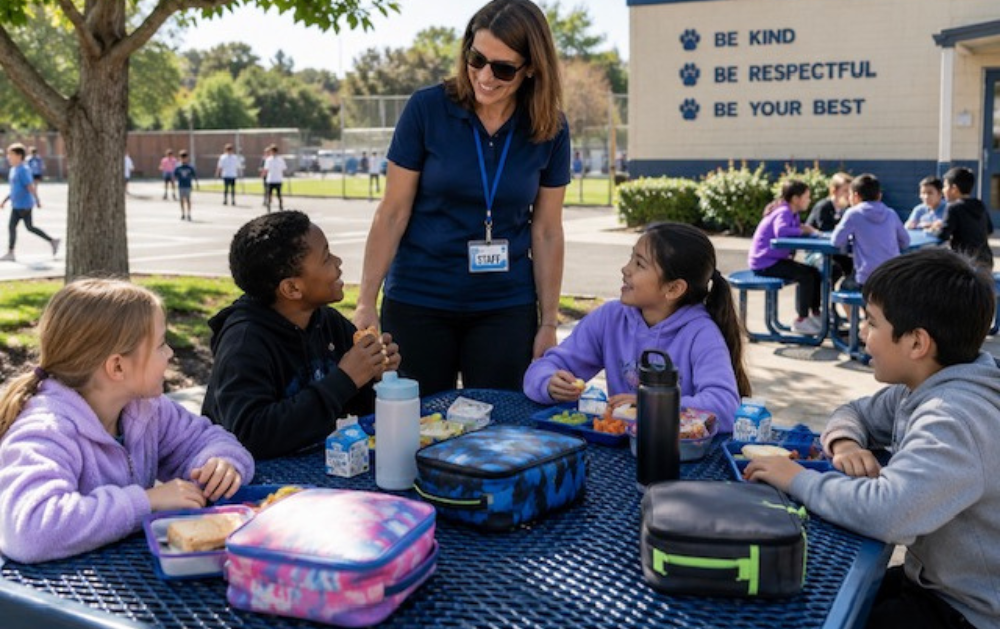
In a recent civil litigation matter involving a large school district, one of the allegations centered on negligent supervision of students. During the discovery process, the district produced a detailed supervision schedule outlining staff assignments for morning arrival, recess, lunch periods, and afternoon dismissal. The document identified specific supervision zones throughout the campus and clearly indicated where staff members were expected to be positioned while students congregated in those areas.
At first glance, the school appeared to have done what many would expect. A written supervision plan existed. Expectations had been established. Responsibilities had been assigned.
However, as depositions unfolded years after the incident, a significant question emerged. While the district could produce the supervision schedule, there was far less clarity regarding whether the assigned staff members, or substitute employees covering those assignments, were actually present and performing supervision duties in the designated areas at the time the incident occurred.
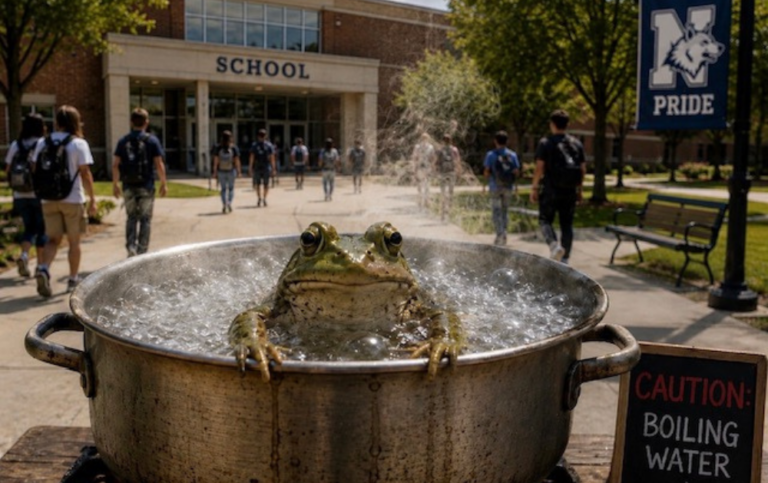
The issue was no longer whether a supervision plan existed. The issue became whether the plan was being followed.
That distinction is important because it highlights a reality that often emerges in civil litigation. Courts, attorneys, investigators, and expert witnesses certainly review policies, procedures, training records, and written expectations. Yet the ultimate inquiry frequently focuses on something much simpler: What was actually happening at the moment the incident occurred?
In many ways, supervision schedules represent a school district’s own determination of what level of supervision is necessary to provide a reasonably safe environment for students. When schools establish supervision zones, assigns personnel, and communicates expectations, it is defining the framework through which student supervision is intended to occur. Consequently, when questions arise regarding whether those assignments were staffed and whether supervision occurred as intended, questions regarding standard of care naturally follow.
This issue extends far beyond a single lawsuit.
Across the country, school districts dedicate considerable time and resources toward developing comprehensive safety and security programs. Policies are written. Procedures are reviewed. Emergency plans are updated. Staff members participate in training. Drills are conducted. Technology systems are deployed. Yet one of the greatest vulnerabilities in any school remains the gap that can develop between written expectations and day-to-day execution.
A supervision schedule by itself does not supervise students. People do.
That reality becomes even more significant when considering the challenges facing today’s schools. Most districts experience a continual cycle of employee turnover throughout the school year. While certificated staff often participate in structured annual safety trainings, support personnel frequently are employed at various times during the academic year. Campus supervisors, noon-duty aides, instructional assistants, clerical employees, transportation personnel, coaches, substitutes, and other support staff may be hired long after annual safety training sessions have occurred.
As a result, many school districts rely on practical stop-gap measures to onboard new employees. Written procedures, policy acknowledgments, online modules, training videos, and orientation materials provide an important foundation. These resources are necessary and valuable. However, they rarely provide the same depth of understanding that comes from interactive discussions, tabletop exercises, drills, scenario-based training, and ongoing reinforcement provided to larger staff groups.
Compounding the challenge is the fact that school safety is an exceptionally broad discipline. No training program, regardless of how comprehensive, can address every potential circumstance that school personnel may encounter. Schools face a wide range of daily safety concerns, student behavioral incidents, medical emergencies, accidents, transportation issues, severe weather events, utility failures, acts of violence, hazardous materials incidents, and countless other situations that require sound judgment and timely decision-making.
This reality underscores an important principle: school safety training is an ongoing process; not a one and done training session for the academic year.
Schools sometimes assume that because an employee has viewed a training video, signed an acknowledgment form, or attended an orientation session, the individual is fully prepared to perform effectively during an emergency or critical incident. In practice, preparedness is built through repetition, reinforcement, mentorship, operational oversight, and experience. Employees must not only know what is expected of them, but also understand how those expectations apply within the dynamic and often unpredictable environment of a school campus.
From a risk management perspective, this is where the concept of accountability becomes critical. School districts must continually evaluate how they communicate expectations, train employees, monitor performance, and verify implementation. It is not enough to establish supervision assignments; schools must also consider how they know those assignments are being filled consistently and effectively. When employees are absent, school leaders need to pivot to ensure adequate and appropriate supervision coverage is provided. When substitutes are assigned, there should be confidence that they understand their responsibilities. When supervision expectations are established, school leaders should have mechanisms to monitor and reinforce compliance.
These considerations become particularly important years after an incident occurs. Memories fade. Employees retire. Administrators move to different positions. Witness recollections become less reliable. What often remains are the documents, records, and evidence that demonstrate what occurred, or failed to occur.
The lesson from this recent case, and many others like it, is not that policies lack value. Quite the opposite. Policies establish expectations. Procedures provide guidance. Training develops awareness and skills. Supervision schedules define responsibilities. Each plays a critical role within a comprehensive school safety program.
However, civil litigation often shifts the focus from what was written to what was done.
The question becomes whether school leaders can demonstrate that its expectations were consistently carried out in practice. Can it show that supervision assignments were staffed? Can it establish that employees understood their responsibilities? Can it demonstrate that policies were implemented as intended?
These questions sit at the heart of many school safety and liability discussions.
Ultimately, the effectiveness of a school district’s safety program is not measured solely by the quality of its policies, training materials, or supervision schedules. It is measured by the consistency with which employees understand, embrace, and execute those expectations every day.
Because when an incident occurs, policies do not respond. People do.